Here down the page you can find a lot of decent additional info related to How Tree Roots Can Damage Your Sewer Line.
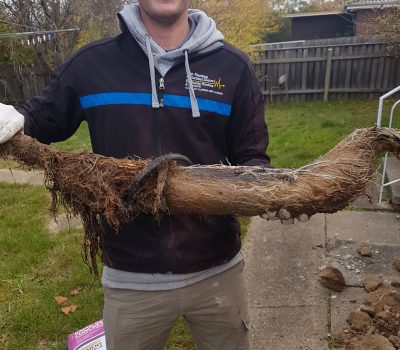
Tree roots are a hidden yet substantial threat to your pipes system. While trees enhance the charm of your lawn and supply shade, their origins can ruin underground pipelines, resulting in clogs, leaks, and expensive repair work. Comprehending how to prevent tree roots from damaging your plumbing is vital for keeping a healthy and balanced and reliable system. This write-up explores reliable strategies to secure your pipes while preserving the elegance of your landscape.
Recognize the Trouble: How Tree Origins Damages Pipes
Tree origins normally choose moisture and nutrients, that makes your below ground pipes an eye-catching target. Tiny fractures or loosened joints in pipes release dampness, bring in roots that infiltrate through these openings. In time, the roots enlarge, triggering blockages, pipeline breaks, or even full system failing.
Common signs of origin invasion include:
Early detection and proactive actions are essential to stop costly damage.
Select the Right Trees for Your Landscape
When growing trees near your home, go with species with less aggressive origin systems. Some trees are infamous for their invasive origins, such as willows, poplars, and silver maples. Instead, think about planting trees with non-invasive roots, like:
Additionally, plant trees at a safe range from your pipes system. As a basic regulation, plant trees at the very least as away from your home as their fully grown elevation.
Use Root Obstacles.
Setting up physical root obstacles is a reliable method to safeguard your plumbing. These obstacles produce a barrier in between the tree origins and your pipelines, directing roots to grow deeper or far from the pipes. Origin obstacles are normally constructed from long lasting materials like plastic or steel and need to be installed by an expert to make sure maximum efficiency.
Frequently Inspect and Preserve Your Plumbing.
Routine pipes examinations can recognize prospective troubles prior to they rise. A professional plumbing professional can utilize advanced methods like video clip pipe evaluations to find origin intrusion or other susceptabilities in your system. Setting up examinations annually or semi-annually is especially crucial if your home is bordered by mature trees.
Regular upkeep, such as hydro jetting or drainpipe cleaning, can also help keep your pipelines clear and decrease the possibilities of root-related obstructions.
Fixing Cracked or Damaged Pipes.
Tree roots are more likely to attack pipes that are already endangered. If your pipes has cracks, loosened joints, or other weaknesses, it's important to fix these concerns immediately. Modern pipeline repair service methods, such as pipeline relining, can seal splits and create a seamless indoor surface area that is resistant to root infiltration.
Take Into Consideration Using Root-Repellent Products.
Chemical root repellents can be an efficient deterrent for tree roots. These products produce an obstacle around your pipelines, protecting against roots from growing near them. Typically utilized root repellents consist of copper sulfate and potassium hydroxide. However, these chemicals ought to be applied meticulously, as inappropriate usage can damage neighboring plants and the atmosphere.
Set Up a Trenchless Sewer Line.
If your plumbing system is older or particularly at risk to root damages, upgrading to a trenchless sewage system line might be a worthwhile financial investment. Trenchless systems use modern-day products that are a lot more resistant to root invasion and can be installed with very little interruption to your landscaping. While this remedy calls for an ahead of time price, it can conserve money on repairs and maintenance in the future.
Water Trees Strategically.
Tree origins frequently get into pipes because they are searching for water. Offering your trees with appropriate water via proper irrigation can minimize the chance of origins seeking moisture from your pipes. Use drip irrigation systems to make sure deep and also sprinkling, motivating origins to expand downwards as opposed to towards your plumbing.
Educate Yourself About Your Residential property's Pipes Design.
Knowing where your plumbing pipelines lie is vital for efficient prevention. Prior to growing brand-new trees or landscaping, get in touch with a professional to draw up your below ground utilities. This info will help you intend your landscape design efforts and avoid growing trees as well near at risk areas.
Look For Professional Assist for Severe Problems.
If tree origins have already penetrated your pipes system, it's important to resolve the issue quickly. Expert plumbers have the tools and competence to eliminate root obstructions without damaging your pipes. Methods like hydro jetting, mechanical root removal, or pipeline relining can effectively recover your pipes to ideal problem.
Final thought
Protecting against tree origins from harming your pipes needs a combination of strategic preparation, routine maintenance, and specialist help. By choosing the right trees, setting up root obstacles, and preserving your plumbing system, you can delight in the beauty of your landscape without compromising the wellness of your pipes. Taking proactive steps today will conserve you from expensive repair work and ensure your pipes continues to be in superb problem for years to find.
How To Keep Tree Roots From Wrecking Your Sewer Line
Determine if you have trees near a sewer line
Houses are required to have sewer clean out caps in 2 places. These are typically either white PVC or Black ABS pipes sticking out of the ground or sometimes in a recessed box in the lawn. One should be within a few feet of your foundation wall and the other should be within 13 feet of the curb. In most cases the pipe will travel underground this general line of sight.
Get your sewer line inspected
Now that you know a tree is near the sewer line, you need to see if roots have invaded.
The best way to do this: Get a professional plumber to inspect the sewer line using a camera probe.
While you could wait to get the inspection until you notice the signs of a sewer line break, getting the inspection now will nip problems in the bud and possibly save you thousands of dollars.
Remove roots and repair as needed
Cutting up the roots in the pipe using a hydro cutter or a powered sewer auger.
Killing off the root structure by using chemicals to temporarily stop their growth. One option is Root-X, a herbicide that can:
Penetrate the roots, killing them on contact.
Stick to the pipe walls, preventing re-growth for up to three years.
Repairing the sewer pipe as needed. Mr. Plumber uses a No Dig technology that makes repairing sewer pipes easy and non-invasive, so you don t have to destroy your landscape. https://www.mrplumberatlanta.com/help-guides/how-to-keep-tree-roots-from-wrecking-your-sewer-line
How To Keep Tree Roots From Wrecking Your Sewer Line
Determine if you have trees near a sewer line
Houses are required to have sewer clean out caps in 2 places. These are typically either white PVC or Black ABS pipes sticking out of the ground or sometimes in a recessed box in the lawn. One should be within a few feet of your foundation wall and the other should be within 13 feet of the curb. In most cases the pipe will travel underground this general line of sight.
Get your sewer line inspected
Now that you know a tree is near the sewer line, you need to see if roots have invaded.
The best way to do this: Get a professional plumber to inspect the sewer line using a camera probe.
While you could wait to get the inspection until you notice the signs of a sewer line break, getting the inspection now will nip problems in the bud and possibly save you thousands of dollars.
Remove roots and repair as needed
https://www.mrplumberatlanta.com/help-guides/how-to-keep-tree-roots-from-wrecking-your-sewer-line
I have been very interested in and I'm hoping you liked the entire entry. Do you know about anybody else who is fascinated about the niche? Feel free to share it. Many thanks for going through it.